Black on Green
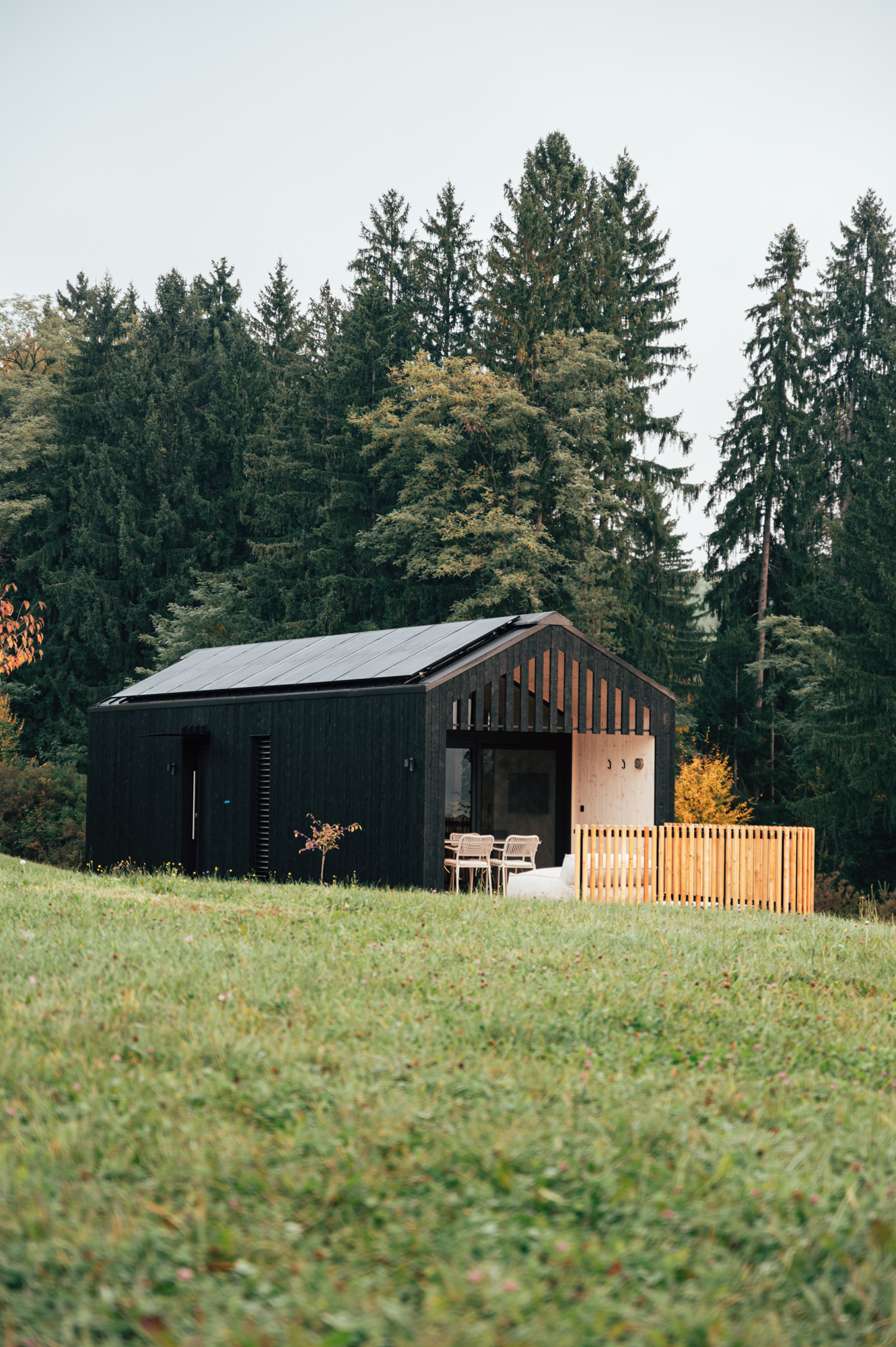
When we think of regional identity, a familiar image often comes to mind: timber. Warm shades of brown. Alpine cabins. Farmhouses. Buildings that look as though they have always belonged to the landscape. Black, by contrast, rarely features in this picture anymore. Yet nature is full of dark tones: in the soil after a summer rain, in the shadows of old forests, in weathered tree bark, or in the fire that chars wood and gives it an entirely new character.
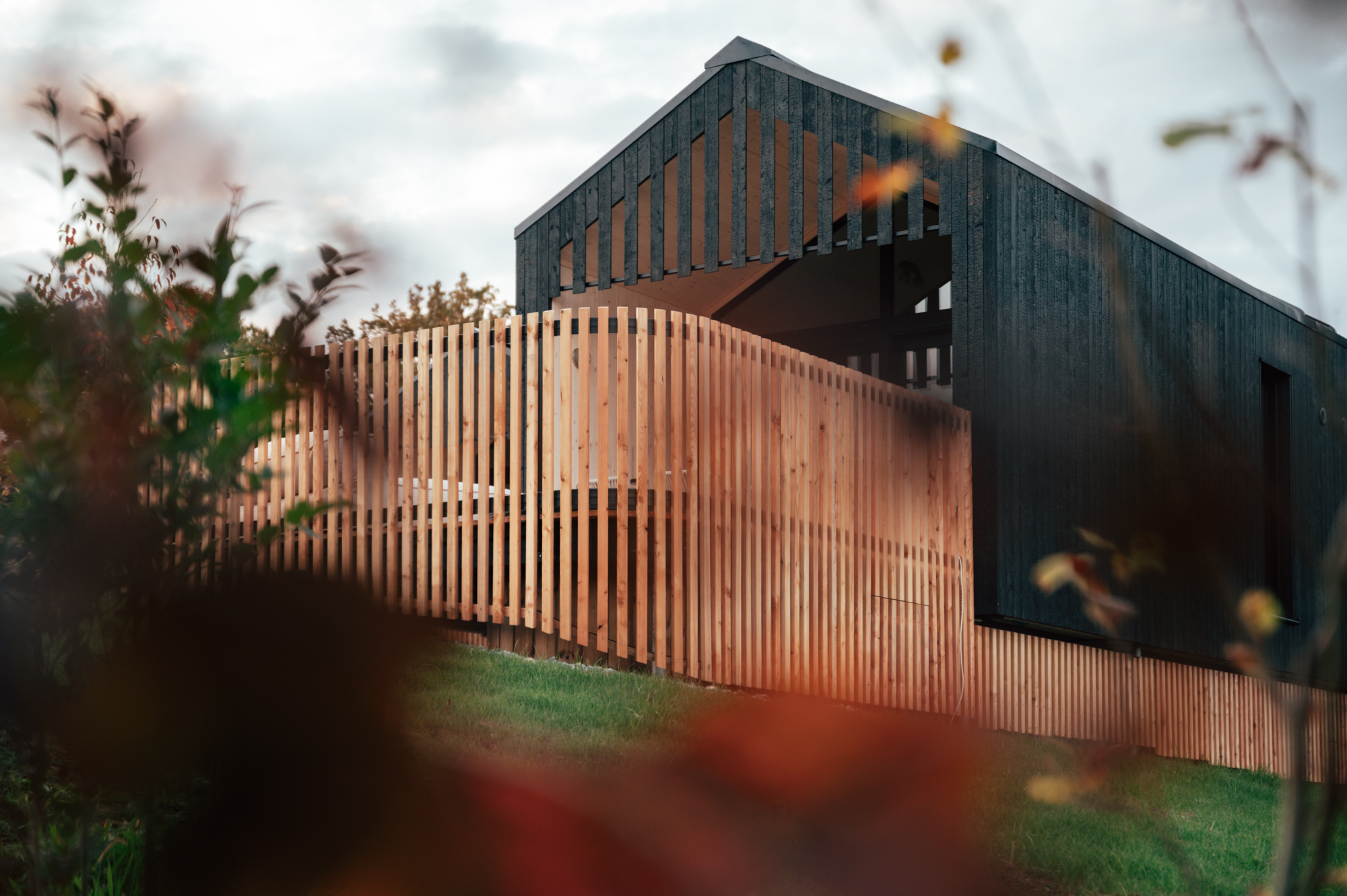
Mareiner Vulcano facade. © Max Mauthner
more than just warm browns
The real question is a different one altogether: what makes a building regional? Is it the colour? The form? The surface? Or is it the materials, the people, and the stories behind it?
A building does not become regional because it looks like something from the past. It becomes regional when it is rooted in the place where it is built. When the materials come from the region. When the craftsmanship comes from the region. When the value created by a project remains where the project itself takes shape. Regionality is not a style defined by a particular palette of colours. It is a mindset.
That is precisely why Hapfn feels so at home along the Schilcher Wine Road. Not because the tiny houses are clad in a particular colour, but because they are shaped by the same idea that defines the entire project: reinterpreting the familiar, making use of regional resources, involving local partners, and creating something built to last. The pared-back architecture draws on the architectural language of the traditional farmhouses of southwestern Styria and reimagines it for the present day. The result is an aesthetic that feels both new and familiar at the same time, blending effortlessly into the region.
For the facades, douglas fir is used. Timber from the Mürztal in Styria, a region where forests have always shaped the landscape. Refined in St. Marein. Crafted into the façade of Hapfn in Styria’s Schilcherland region.
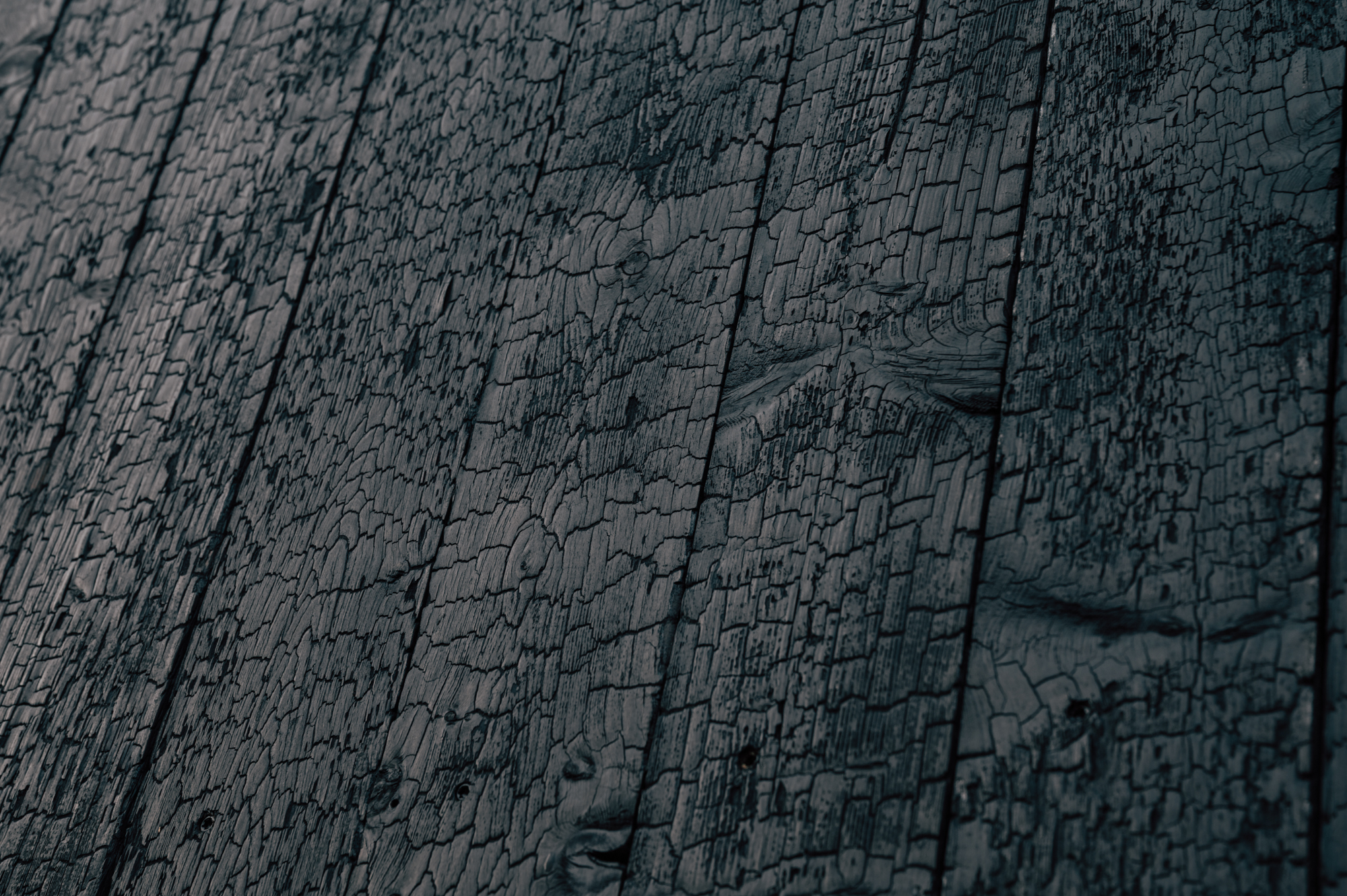
BLACKENED BY FIRE
At Mareiner, douglas fir is transformed into Vulcano Black. A facade whose distinctive appearance is shaped by fire. Deep black. Elegant. Full of character. And that is exactly why Vulcano Black works so well at Hapfn. The facade enters into a compelling dialogue with its surroundings, reinterpreting the architectural character of the traditional farmhouses of southwestern Styria. It stands out without demanding attention. It creates a statement without becoming excessive. Perhaps that is precisely why the tiny houses do not feel like foreign objects in the landscape. Instead, they offer a contemporary answer to the question of what regional identity can look like today.
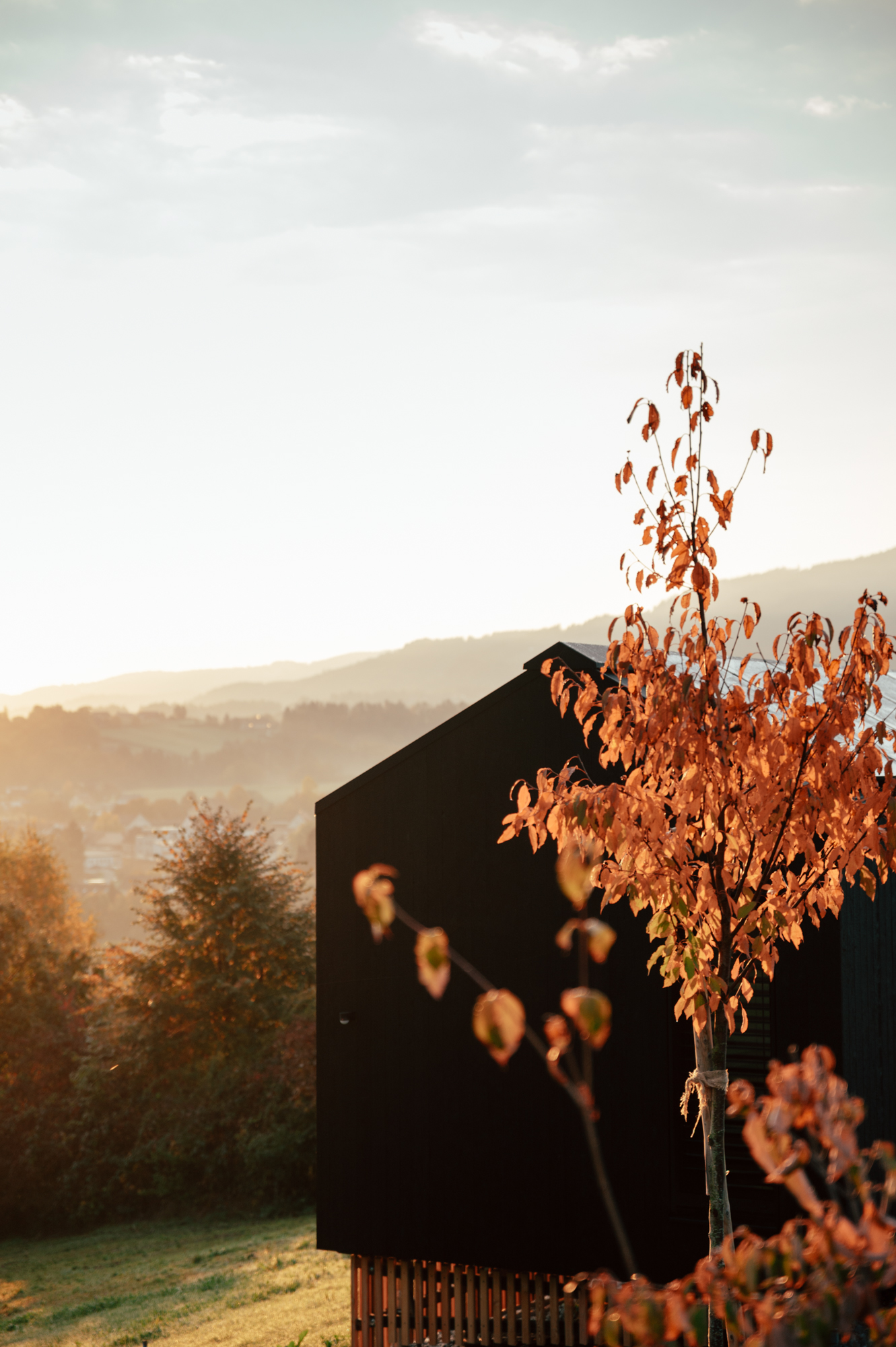
throughout the changing seasons. © Max Mauthner
OLD ROOTS, NEW GROWTH
As this project shows, regional identity does not have to look the way it did yesterday. At Mareiner, new ideas can grow from deep Styrian roots. And sometimes, those ideas happen to be deep black. Hapfn is a compelling example of how regional identity and innovation are not opposing forces. Quite the opposite: when the two come together, they often create the most exciting projects. Or, put simply: black on green works surprisingly well.